Why “Premium” Dog Food Doesn’t Always Mean Safer
A Conversation I’ve Had Hundreds of Times
Hello everyone, my name is Kevin, and I’m a dog nutritionist based in California. For the past 10 years, I’ve worked closely with pet parents, helping them build healthier diets for their dogs. In that time, I’ve had hundreds, probably thousands, of conversations about food choices. And there’s one belief that comes up again and again.
“If it’s expensive, it must be better.”
Honestly, that logic makes sense. In most areas of life, price often reflects quality. A higher price tag usually signals better materials, better sourcing, or better craftsmanship. So it feels natural to assume that when it comes to dog food, a premium label and a higher price must mean safer, cleaner, and more nutritious. Logically, it should work that way. But in reality, it’s not always that simple.
The Assumption Behind the Word “Premium”
Walk into any pet store, and you’ll see it everywhere. Bags with sleek packaging. Words like “premium,” “ultra-premium,” “natural,” “holistic,” and “human-grade.” Prices that are noticeably higher than the rest of the shelf.
When pet parents pick up these products, they’re not just buying food. They’re buying reassurance. They’re buying peace of mind. The higher cost feels like an investment in safety and quality.
And I understand that completely. When you love your dog, you want to give them the best. No one chooses a more expensive bag casually. It’s usually a thoughtful decision driven by care. But here’s where the frustration begins. The word “premium” is a marketing term, not a regulated safety standard.
There’s no universal checklist that a product must meet to use that word. It sounds strong. It sounds protective. But it doesn’t automatically guarantee lower contaminants, stricter testing, or superior safety controls.
What the Clean Label Findings Made Many Pet Parents Question?
Recently, an independent test by the Clean Label Project looked at heavy metals and other contaminants in various pet foods across different price ranges.
One detail caught many people off guard. Higher-priced products did not consistently show lower contaminant levels compared to more affordable options.
Let that sink in for a moment. The assumption most pet parents carry is that paying more equals cleaner food. But those findings suggested that price alone doesn’t guarantee lower exposure to certain contaminants.
Now, it’s important to stay grounded here. The presence of metal elements in food is often tied to environmental factors, such as soil, water, and agricultural sourcing. It’s not always about wrongdoing or negligence. Modern food systems are complex. Contaminants can enter supply chains in ways that aren’t visible from the outside.
But the emotional impact of that discovery was very real for pet parents. Because if price doesn’t guarantee lower contaminants, then what exactly are we paying for?
Why Marketing Buzzwords Feel Like Safety Signals
One thing I’ve learned over a decade of working with pet parents is that food decisions are emotional. They’re not just nutritional. They’re protective. Marketing teams have already decoded this. They know where to trap the customers.
That’s why packaging is designed to communicate reassurance quickly. Clean fonts. Earth-toned colors. Words that signal care and purity, like “Premium,” “Farm-raised,” “Natural,” and “Advanced formula,” help in building credibility and trust in the brand.
These words create a shortcut in our minds. They make us feel like we’ve made a responsible choice without needing to dig deeper.
But here’s the uncomfortable truth: many of these terms don’t directly relate to contaminant testing, sourcing transparency, or measurable safety controls.
They relate to positioning. And positioning is not the same as protection.
Expensive Doesn’t Always Mean Transparent
When pet parents tell me, “I buy the most expensive brand, so I know it’s safe,” I gently ask them a few questions.
- Do you know where the ingredients are sourced?
- Do you know how often the company tests for contaminants?
- Do they publish testing standards?
- Do they explain their quality control processes clearly?
Sometimes the answer is yes. Many brands are doing great work behind the scenes. But sometimes, the answer is silence. And that silence doesn’t always match the price tag.
High cost can reflect branding, distribution, marketing budgets, and positioning, not necessarily enhanced safety practices. Veterinary experts note that elevated prices reflect costly ingredients (e.g., fresh meats) and trends, not guaranteed higher nutritional value.
That doesn’t mean premium brands are unsafe. It simply means price alone is not proof. This study has revealed that companies might add costly ingredients, but there is no evidence that they are highly nutritious for them.
The Real Frustration Pet Parents Feel
The frustration I see most often isn’t anger. It’s confusion. Pet parents are trying to do the right thing. They’re willing to pay more. They’re reading labels. They’re making intentional decisions.
And yet, the system isn’t always easy to understand. Heavy metals and trace contaminants aren’t listed on ingredient labels. They’re not part of the formulation in the way chicken or rice is. They exist at microscopic levels and are managed through testing and regulatory thresholds.
But because they’re not visible on packaging, pet parents are left relying on assumptions.
- If it’s premium, it must be safer.
- If it’s expensive, it must be cleaner.
And when independent testing suggests that price isn’t directly tied to contaminant levels, that assumption feels shaken.
So What Actually Indicates Safety?
After years of guiding families through these conversations, I’ve found that safety isn’t about price tiers.
- It’s about systems.
- It’s about sourcing standards.
- It’s about manufacturing controls.
- It’s about how seriously a brand takes testing.
- It’s about whether they’re willing to communicate those practices openly.
- Real safety is built through consistent quality control, not just premium positioning.
- And that’s a very different conversation than one driven by buzzwords.
You can not determine the quality of food just by reading the label and ensuring that there are no harmful ingredients in the food. It might be possible that the artificial flavors or any other hidden chemicals are working as a slow poison to your fur baby.
Why Transparency Matters More Than Trends
Trends come and go in the pet food world. Grain-free. Limited ingredient. Raw-inspired. Exotic proteins. Superfood blends. Each trend arrives with strong marketing momentum. Each promises something better, cleaner, and more advanced. But trends don’t automatically decide safer food.
Transparency, on the other hand, doesn’t go out of style. When a company is clear about how they source ingredients, how they test products, and how they maintain consistency, that clarity builds real trust. It gives pet parents something tangible to rely on beyond price or popularity.
- Transparency says, “Here’s how we do things.”
- Trends say, “Here’s what’s popular right now.”
Those are not the same thing.
What I Tell Pet Parents Now
It has been a long journey in the market. Every day dealing with the new pet parents is an interesting experience. I have been learning about new brands that come with quality, and also some with flashy advertisements. I have usually observed the behaviour and health improvements when I suggest the right food, which is more nutritious than expensive.
After ten years in this field, my advice has shifted slightly from expensive to quality food. I no longer say, “Buy the most expensive option you can afford.”
Instead, I say, “Ask better questions.”
Look beyond the front of the bag.
Explore the company’s philosophy.
Read about their testing standards.
Pay attention to how clearly they communicate their processes. Because safer food isn’t always the loudest or the trendiest. It’s often the most transparent. Your baby needs something that makes him energized and healthy. They aren’t going to read brand voice or their taglines that captured your eyes.
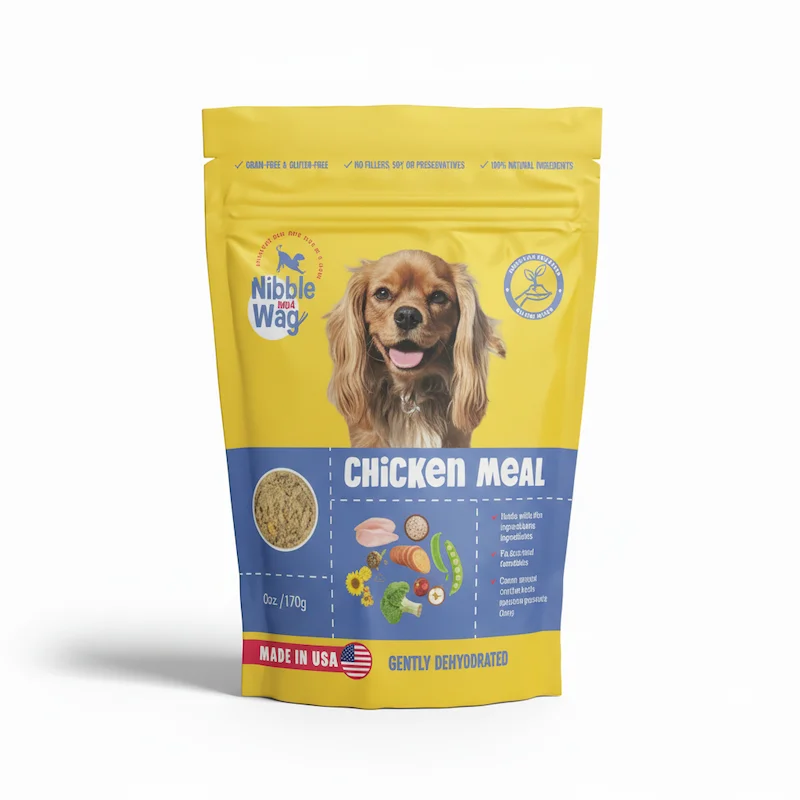
How We’re Thinking Differently at Nibble & Wag
At Nibble & Wag, the approach isn’t built around chasing premium labels or riding trends. It’s built around clarity.
We understand that pet parents don’t just want beautiful packaging or impressive claims. They want confidence. They want to understand what they’re feeding and why it’s safe.
That’s why the focus is on transparency over trends.
Clear ingredient sourcing, Open communication, and Thoughtful quality controls.
A commitment to making food that feels understandable, not overwhelming. Because the goal isn’t to position ourselves as “ultra-premium.” The goal is to earn trust through clarity.
The Real Takeaway
If you’ve ever stood in a pet store holding two bags, one expensive and labeled premium, the other simpler and more affordable, and assumed the higher price meant guaranteed safety, you’re not alone.
That assumption is completely human. But safety doesn’t live in price tags. It lives in processes. It lives in transparency. It lives in companies that are willing to explain how they protect quality rather than just market it. Premium can mean many things. Safer means something very specific.
And as pet parents become more informed, the shift from trends to transparency is not just refreshing; it’s necessary. Because at the end of the day, dogs don’t care about marketing language. They trust us. And that trust deserves decisions based on clarity, not just cost.